About
Chris St.Cyr
Creative Director
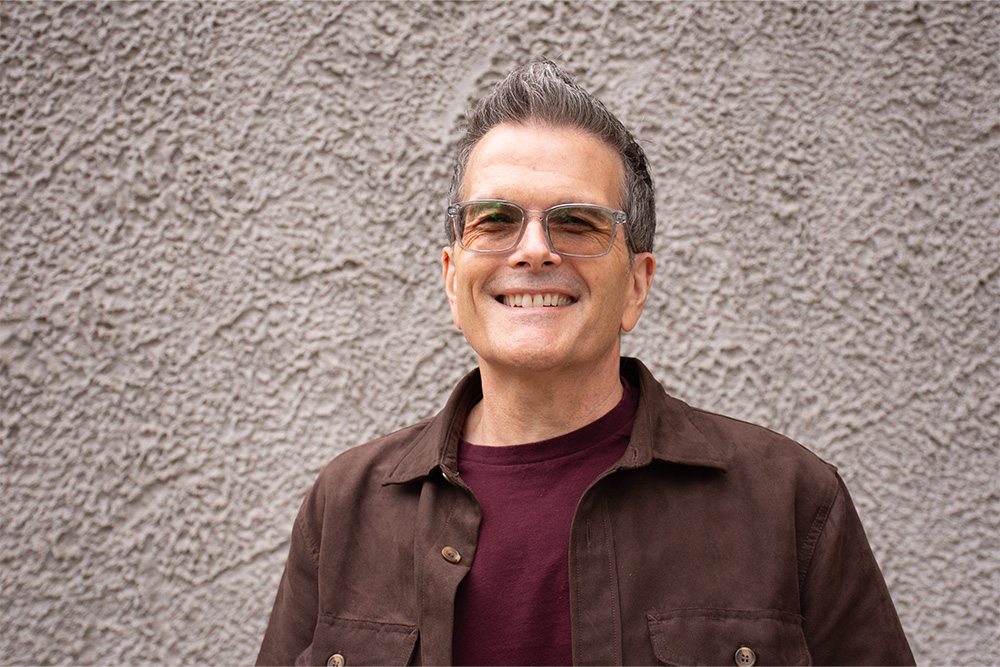
Why do you enjoy working with clients in education? It’s the opportunity to work with people that understand the need for structure and flexibility; that are experts in their field and still curious; that have learned from history and are excited about the possibilities of the future; and believe that both informal and formal education can change lives.
What is a memory from your school experience? When I was in high school, junior or senior year, I had an assignment in a U.S. government class. The teacher was open to alternative methods of showing knowledge of a subject, and keep in mind this was the 1980s. I remember creating a photo essay about how the constitutional amendments apply to our contemporary lives. I took photos and wrote captions and compiled them in a binder. I was nervous that it wasn’t a traditional written essay. I don’t remember the grade I received, but I remember the feeling of success, way more important than a grade. It was one of those early acknowledgements of visual problem solving that has sustained me over the course of my design career. Thanks Mr. Dyhrberg.
Where do you find inspiration? I find inspiration in my students. The work they do, the questions they ask, how they solve problems, the communities they build, the careers they develop, the music they share with me, and their laughter.
What’s an example of a time when you took a risk and it paid off? Going to grad school. I had a solid design career and money in the bank, but I wanted to learn new things about motion and interaction design, and maybe consider teaching. When I got into MassArt I had to quit my full-time job and pay for tuition with my savings. That risk changed my life for the better in so many ways. I’m still investigating the answers to questions that started in grad school, I started teaching, and I met Kelly. Need I say more?!
What are you curious about? I’m curious about the gap between design school and professional practice. On my podcast, Design Futures, I talk with former students about their careers. Over five seasons, patterns have emerged that no single story contains. The podcast has become a community practice, one that shows what designers actually need from their education. It sounds like conversation, but it works like research.